
Botox for Frown Lines: Units, Cost, and What Results to Expect
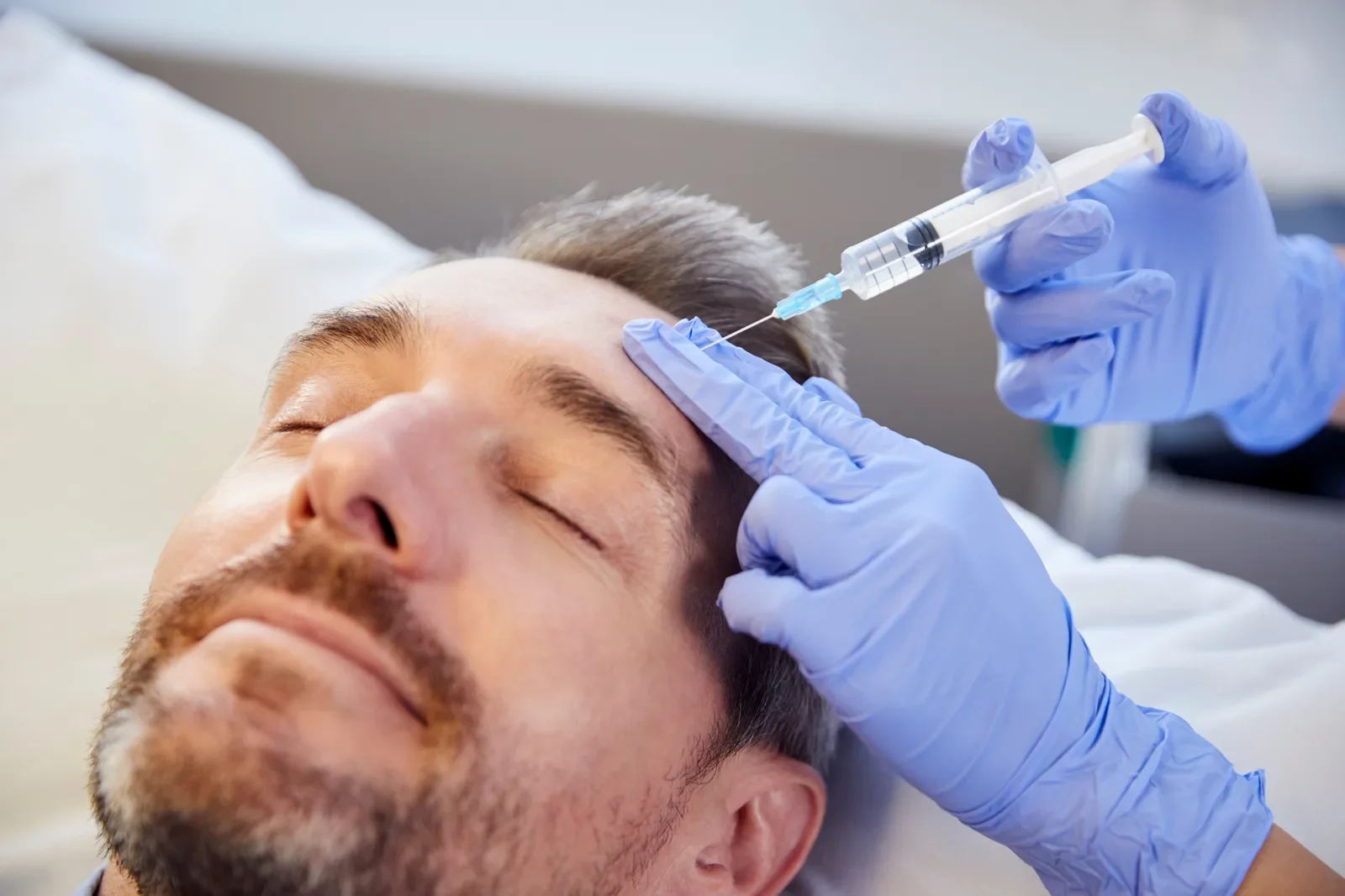
Botox frown lines treatment addresses one of the most common concerns patients bring into consultations: the vertical creases between the eyebrows that make you look angrier, older, or more tired than you feel. These lines, often called the "11s" or glabellar lines, form gradually from years of squinting, concentrating, and frowning. Understanding how Botox works on this specific muscle group helps you set realistic expectations before your first appointment.
Key Takeaways
Glabellar Botox typically requires 10-25 units depending on muscle strength and line severity. Men often need more units than women because the corrugator and procerus muscles tend to be stronger in male patients.
Results appear gradually, with onset around 3-5 days and full effect by about 2 weeks. Most patients see results last 3-4 months before a touch-up is needed.
Botox works best on dynamic frown lines that appear with movement. Deep static lines present at rest may soften over repeated treatment cycles but often benefit from combining Botox with dermal filler.
Pricing depends on units needed and whether pricing is per unit or per area. Combining the glabellar area with the forehead or crow's feet is common and affects overall cost.
Frown lines around the mouth involve a different muscle and often need a different approach. The DAO muscle responsible for downturned mouth corners can respond to Botox, but marionette lines typically respond better to filler.
If you are ready to find out how many units your frown lines actually need, schedule a consultation with JustBE Aesthetics in Dallas. A personalized assessment is the only way to get an accurate treatment plan.
Why frown lines form (and why they're stubborn)
Frown lines develop from repeated contraction of the muscles between your eyebrows every time you squint, concentrate, or express frustration. Over years, this repeated movement etches a crease into the skin, creating what most people call the "11 lines between eyebrows."
There are two categories worth knowing. Dynamic lines appear only when you move your face, while static lines remain visible even when your face is completely relaxed. This distinction matters because it shapes what Botox can realistically achieve for your specific lines.
How Botox targets the muscles behind frown lines
Botox injections work by temporarily relaxing two specific muscles: the corrugator supercilii, which pulls the eyebrows together, and the procerus, which creates the horizontal scrunch at the top of the nose. Botulinum toxin blocks the nerve signals that tell these muscles to contract, so the furrowing motion that creates frown lines simply cannot happen at full strength.
This mechanism is why Botox is so effective on dynamic frown lines specifically. When the muscle can no longer pull the skin into a crease, the line has no way to form during expression. Deep static lines, the ones still visible when your face is at rest, may soften noticeably but will not always disappear completely with Botox alone. That does not mean treatment fails these patients. It means expectations should be calibrated to what the muscle relaxation can and cannot undo in already-creased skin.
How many units of Botox do frown lines typically require?
Most patients need between 10 and 25 units of Botox Cosmetic to treat the glabellar area effectively. Where you land in that range depends on the strength of your corrugator and procerus muscles, the severity of your lines, and how much movement you naturally use in that area of your face.
Men often require more units than women for this treatment. Male corrugator muscles tend to be denser and stronger, so a dose that softens a woman's frown lines completely may only partially relax a man's muscle movement, requiring an adjusted unit count to achieve a similar result.
These figures are averages, not prescriptions. The only way to know your actual unit requirement is a hands-on assessment where your provider evaluates your muscle strength and movement pattern in person. Every face is different, and dosing that works for one patient may under-treat or over-treat another.
How much is Botox for frown lines and what drives the price?
Botox pricing generally follows one of two models: a per-unit rate, where you pay for the exact number of units used, or a per-area flat rate that bundles a typical unit range for the glabellar region into one price. Both approaches are common, and which one your provider uses affects how your final cost is calculated.
Several factors influence what you will pay. The number of units your muscles require plays the biggest role since more units mean a higher total under a per-unit model. Provider experience and geographic location also factor into pricing, since injector skill and regional cost of living vary widely.
Many patients choose to treat the glabellar area alongside the forehead or crow's feet in the same visit, which can affect per-area pricing depending on how the practice packages combined treatments. The most accurate number for your situation comes from a consultation, where your provider can map your muscle movement and quote a plan built around your face. Learn more about the full scope of Botox treatments at JustBE Aesthetics before your visit.
Results timeline: what deep frown lines can realistically expect
Botox for frown lines does not work instantly. Most patients begin noticing softening around 3-5 days after treatment, with the full effect visible by about 2 weeks. Results then typically last 3-4 months before the muscle activity gradually returns and a touch-up appointment is recommended.
For patients with deep or long-standing frown lines, a single round of Botox may soften the crease without erasing it entirely, especially if the line has been etched into the skin for years. This is normal, and it does not mean the treatment is not working. Consistent treatment cycles over time can help static lines continue to soften as the muscle weakens from repeated inactivity.
For very deep lines that do not fully respond to muscle relaxation alone, dermal fillers are sometimes used alongside Botox to fill the remaining crease while Botox prevents new muscle movement from deepening it further. This combination approach is common for patients who have lived with pronounced frown lines for many years.
Can Botox help frown lines around the mouth?
Frown lines around the mouth are a different treatment conversation entirely from glabellar lines. Downturned mouth corners are controlled by the depressor anguli oris, or DAO muscle, which pulls the corners of the mouth downward and can create a perpetually unhappy or tired expression even when you are not frowning on purpose.
Botox injection sites for this concern target the DAO muscle directly and can help lift the corners of the mouth by relaxing that downward pull. Marionette lines, the deeper grooves that run from the corners of the mouth toward the chin, are a separate structural concern caused by volume loss rather than muscle movement, and they typically respond better to filler than to Botox. Understanding this distinction is why a thorough consultation matters before deciding on a treatment plan.
Frequently Asked Questions About Botox for Frown Lines
How many units of Botox do frown lines need?
Most patients need 10-25 units to treat the glabellar area, though the exact number depends on muscle strength, gender, and line severity. Men typically require more units than women due to stronger corrugator muscles.
How much does Botox for frown lines cost?
Cost depends on whether your provider charges per unit or per area, plus how many units your muscles require. Combining the glabellar area with the forehead or crow's feet is common and can affect your total price, so the most accurate number comes from a personalized consultation.
Can Botox get rid of deep frown lines?
Botox works best on dynamic lines that appear with movement, and it can significantly soften deep static lines over multiple treatment cycles. For very deep, long-standing lines, combining Botox with dermal filler often produces a more complete result than Botox alone.
Can Botox help frown lines around the mouth?
Yes, Botox can relax the DAO muscle to help lift downturned mouth corners. Marionette lines running from the mouth to the chin are a different concern caused by volume loss and typically respond better to filler.
How long do Botox results last for frown lines?
Most patients see results lasting 3-4 months before the muscle gradually regains movement. Results begin appearing around 3-5 days after treatment, with full effect visible by about 2 weeks.
Is Botox for frown lines painful?
Most patients describe the sensation as a quick pinch rather than significant pain, since the injections use a very fine needle and treat a small, precise area. Any discomfort typically resolves within moments of the injection.
Schedule your Botox consultation in Dallas
At JustBE Aesthetics, every treatment is administered by Dr. Marchuk, who assesses your muscle movement in person before recommending a unit count. Call (469) 804-7212 with questions, or read our guide on how to prepare for Botox before your visit. When you are ready, contact JustBE Aesthetics in Dallas, Texas for a clear answer on units, cost, and timeline specific to your face.